Six books · the king, the name, the crown, the question, and the claim
He gave Axum its cross — and Ethiopia its name.
Six books. Two countries.
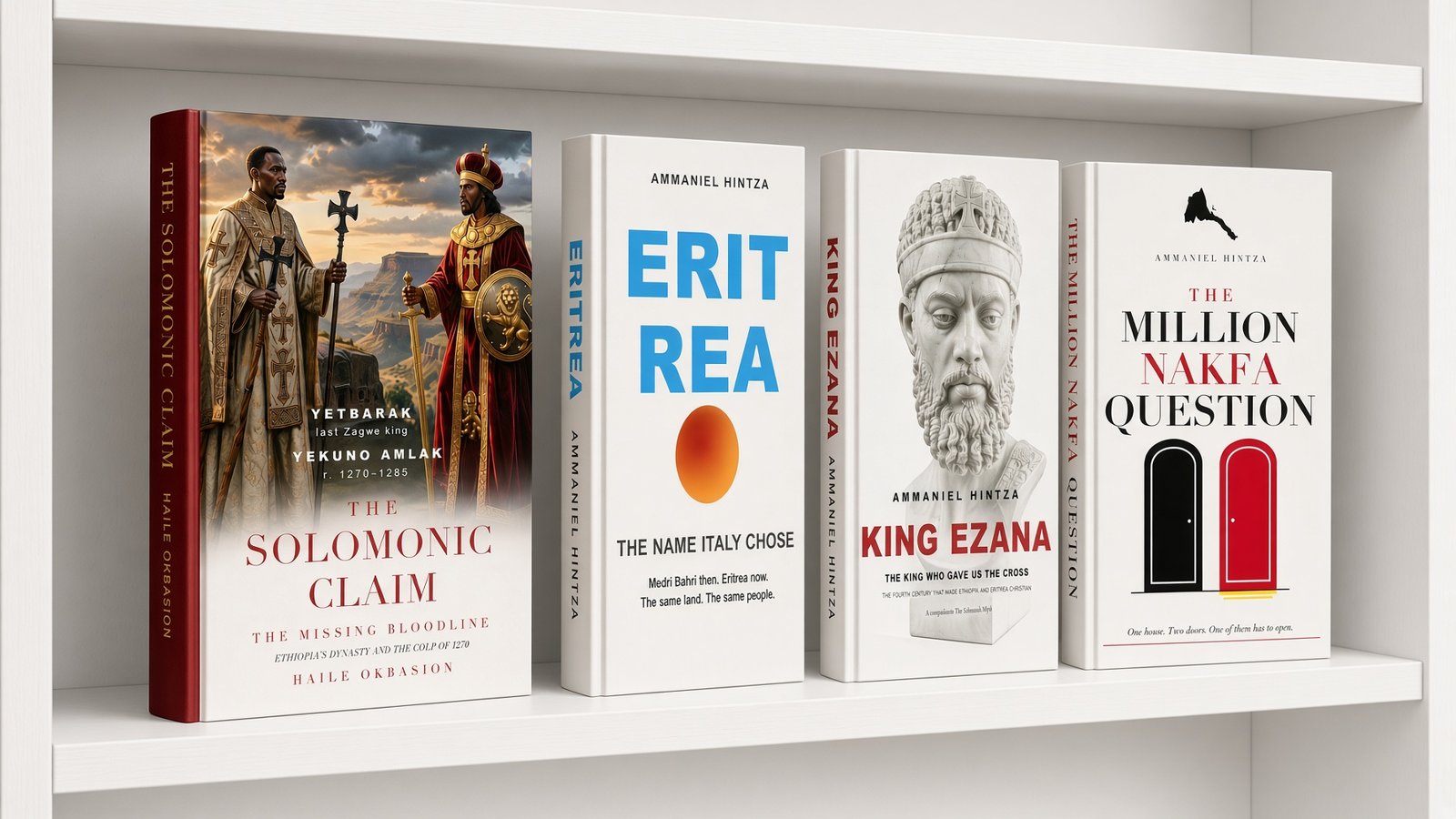
Six books · the king, the name, the crown, the question, and the claim
Six books. Two countries.
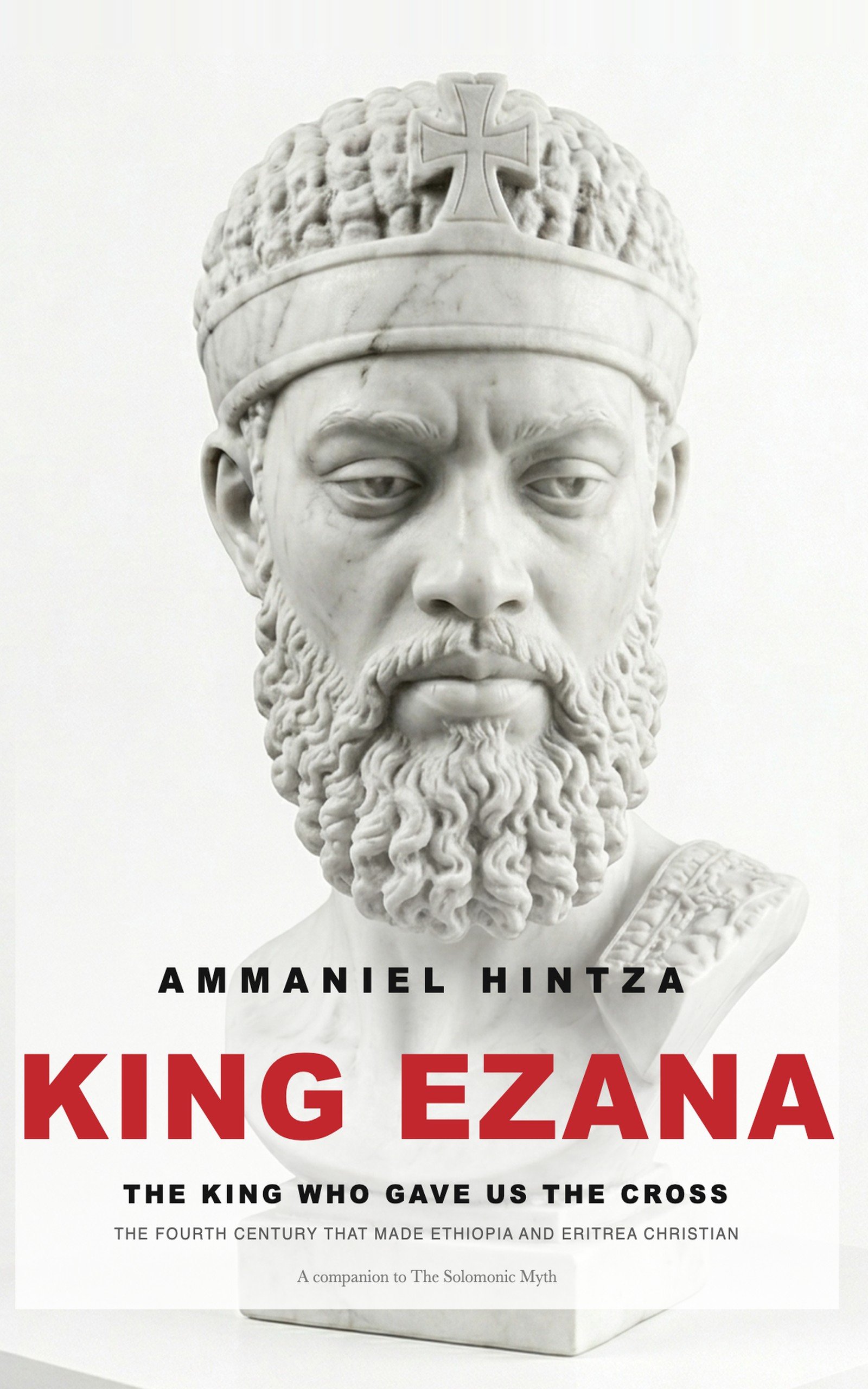
Book one
Ask an Ethiopian or an Eritrean what faith they follow, and they will say Orthodox Christian. Ask them about Solomon and Sheba, and they will tell you the whole story. Yet the man who actually made both countries Christian has been forgotten.
This book tells the real story from the evidence: the shipwreck that brought two Syrians to the Axumite court, the queen mother remembered as Sofya, the bishop in Alexandria who consecrated him, and the coins that show the conversion happening — the sun and the moon on his father's money, the cross on his.
Hardcover, Kindle and Apple Books.
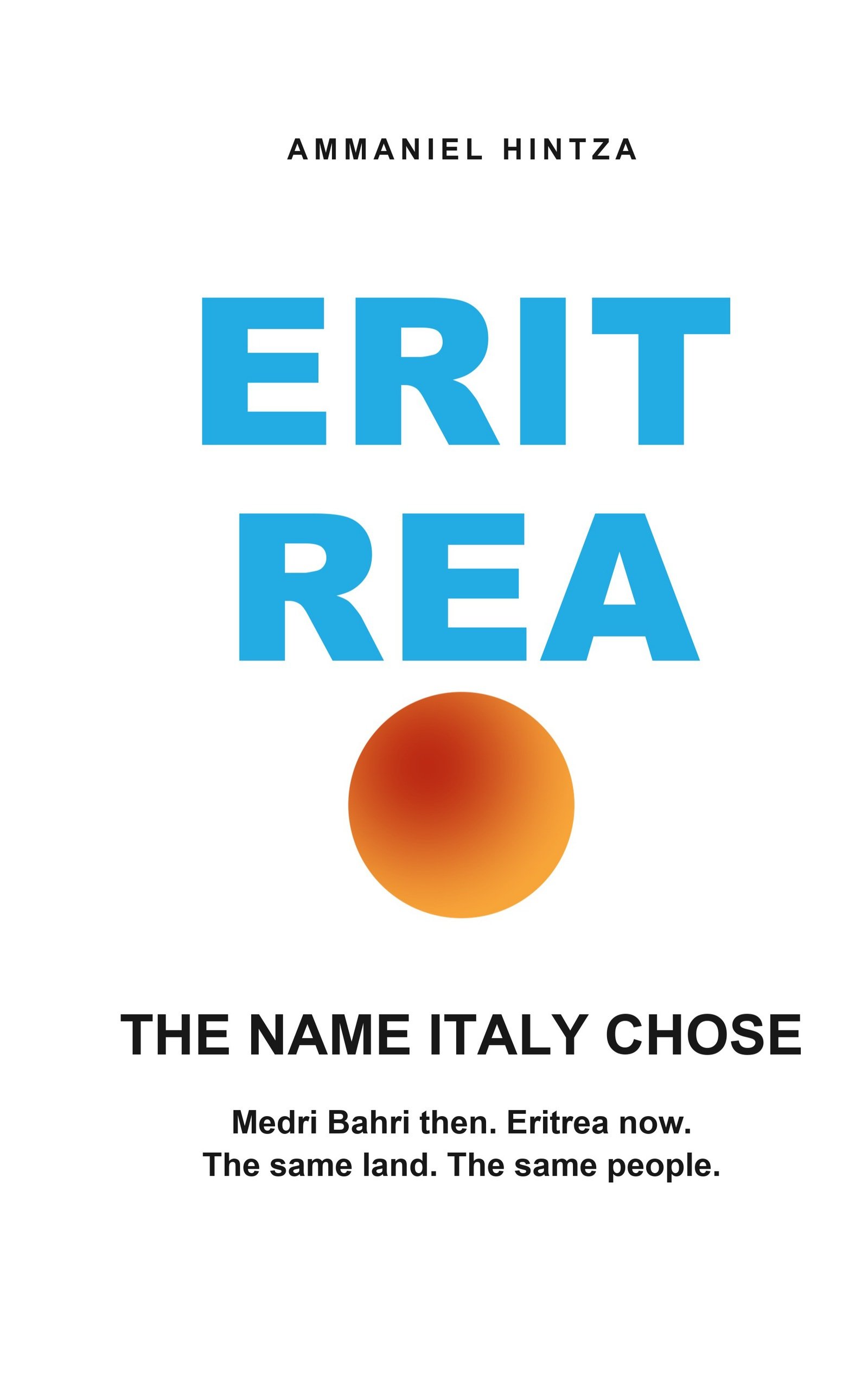
Book two
“Eritrea” is not an Eritrean word. It is a Greek word for the Red Sea, chosen in Rome and signed into being by an Italian king on the first day of January 1890 — for a coast whose people already had their own name for it: Medri Bahri, the land of the sea.
Italy did not translate the local name. It reached past it, back to an ancient outsider's label for a sea, and fixed it to a land. That is not translation; it is replacement. This book is not an argument that Eritrea is a colonial fiction — the decree did not create the people, and a nation's legitimacy never came from its name. The colonial name was violence. Taking it back was survival.
Hardcover, Kindle and Apple Books.
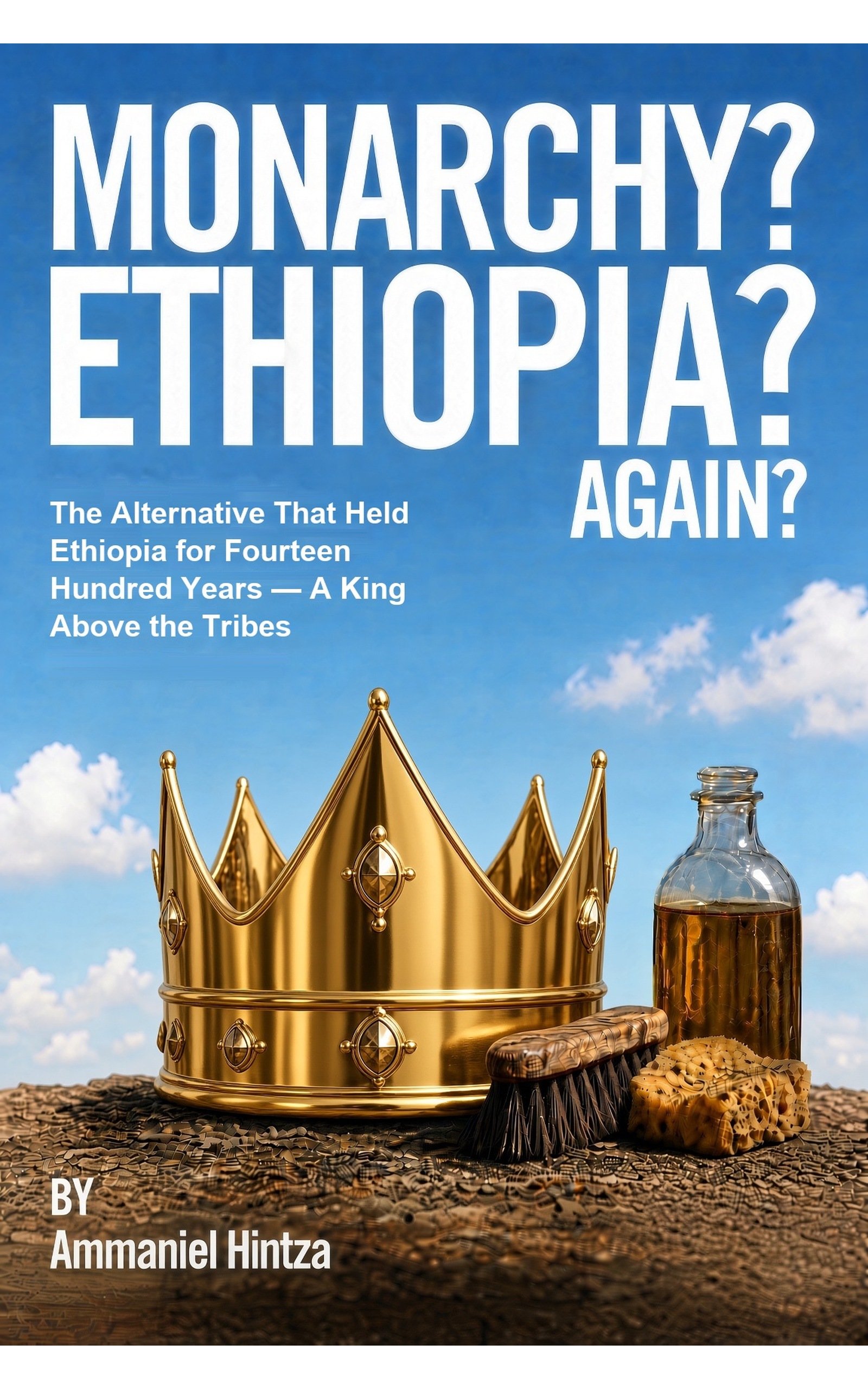
Book three
Ethiopia is not a homogeneous country, and it never was. The largest group is barely a third of the population — which means no party can win alone, every government must be assembled out of groups, and every group must be paid. That is the machine behind the corruption, and no election can dismantle it.
This book argues that the way out is the one institution Ethiopia has nineteen centuries of experience with: a king standing above the tribes, belonging to none of them — rebuilt with the machinery the last crown refused.
Amazon link goes live with publication.
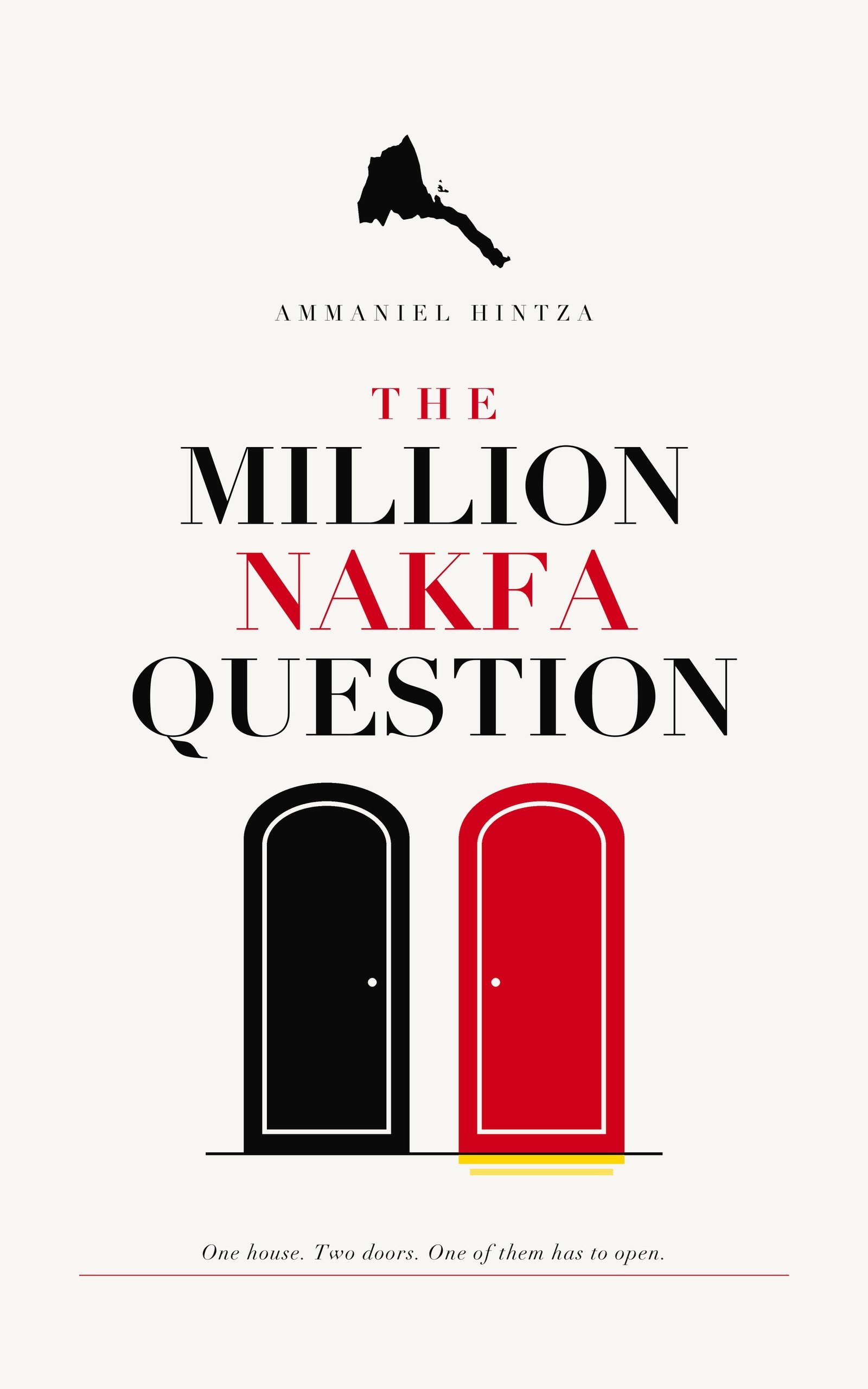
Book four
Two islands, one design, one year: Puerto Rico and Cuba. One lives on its knees; one stood up and paid for it. This book puts the arithmetic on the table in plain language — what each way actually cost the people who lived it, why the door home stays shut, and what it would ask of them to open it.
It is not a lecture from outside. It is one Eritrean asking his own people the question the title puts to them: not given — taken, and what that sentence costs. Every chapter ends where the argument has to: with the reader, and with a choice that belongs to Eritreans and to nobody else.
Kindle and Apple Books now · the hardcover follows.
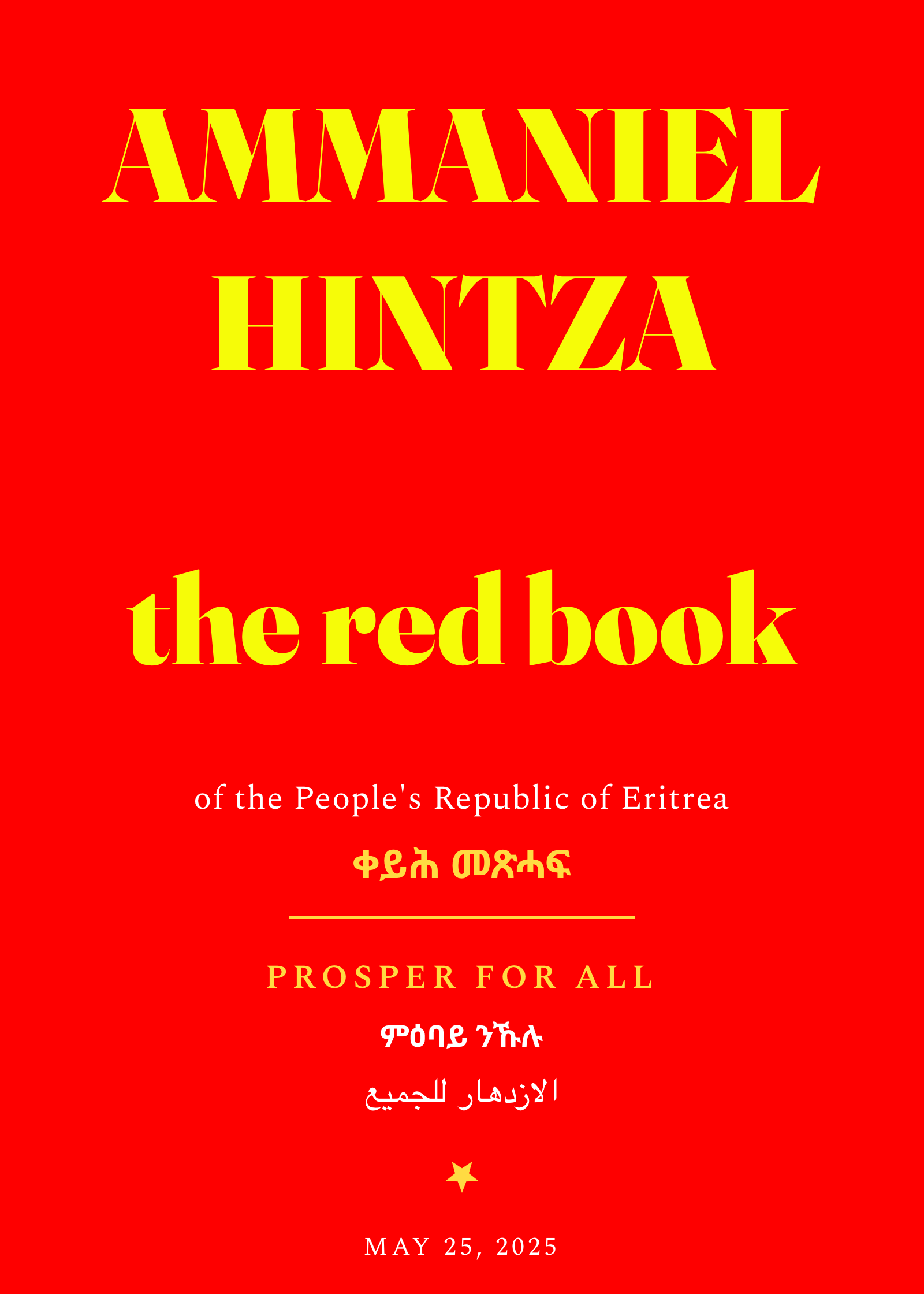
Book five
A constitution written out in full, from the Stone to the Village Seven. The goal — Prosper for All — sits fixed at the top and cannot be amended. Everything below it is the path: the Party, the President, the Standing Committee, and the institution closest to the people, the village committee of seven.
Eleven Books carry the law, the Party, the People, the nation, the economy, the cadres and the instruments of state, with Red Lines guarding the goal from within. It is written to be argued with line by line — article, clause and diagram — and it is published in English, Tigrinya and Arabic as one and the same text.
Amazon link goes live with publication.
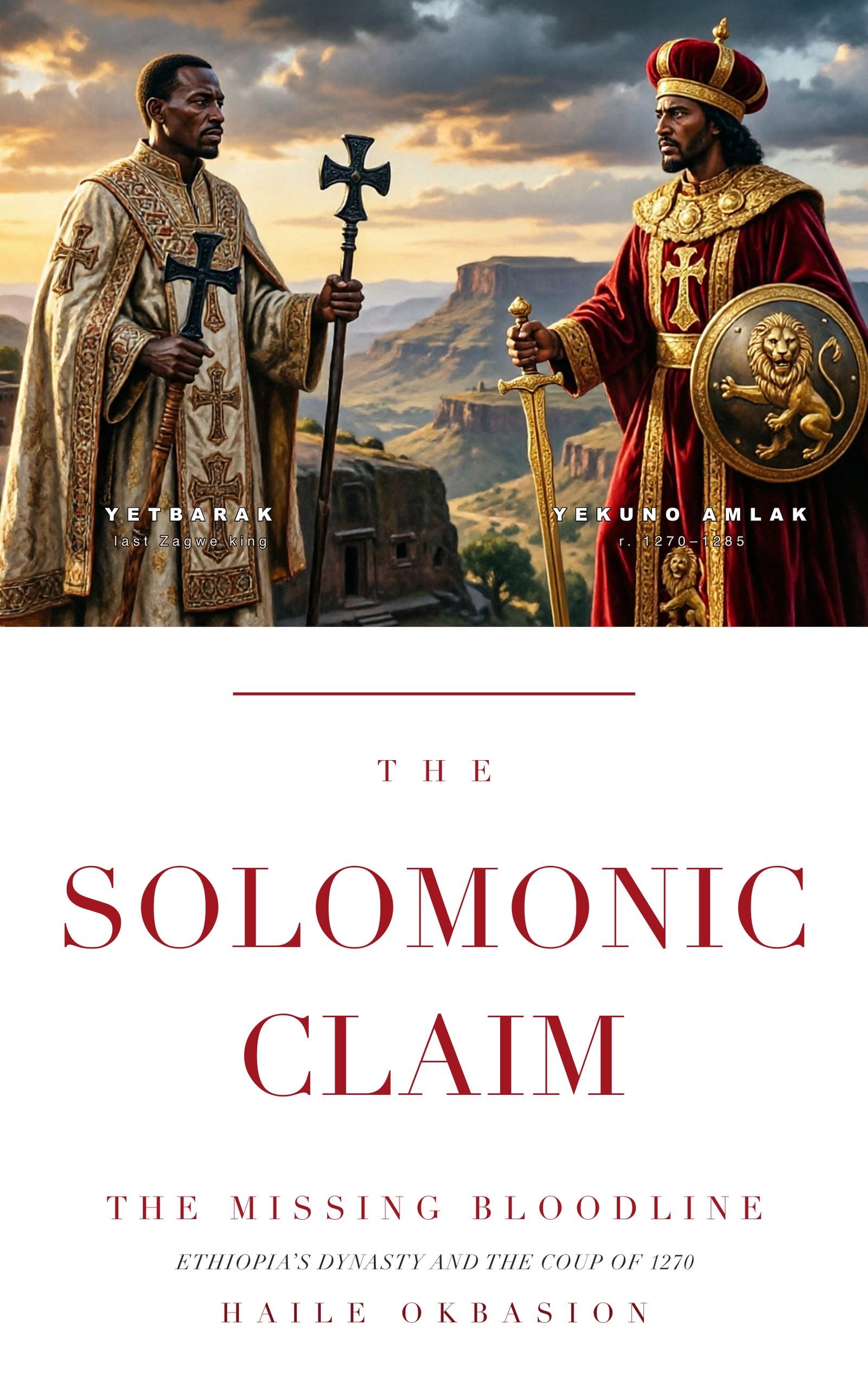
Book six · by Haile Okbasion
For seven hundred years the kings of Ethiopia were said to descend, by blood, from King Solomon of Israel and the Queen of Sheba. It is a beautiful story — taught to children, painted on church walls, written into the crowning of emperors. It is not, in any historical sense, true.
The claim appears fully formed in a single Ge'ez book of the fourteenth century, the Kebra Nagast, written by six churchmen for a dynasty that had taken the throne by force in 1270 and needed an ancestor to justify it. This book follows the evidence instead: the centuries in which no Ethiopian king claimed Solomon, the silence of the Aksumite inscriptions where a royal pedigree would have lived, and the road to Alexandria.
Hardcover, Kindle and Apple Books.
Free to use
Made to be printed, shared, or handed to a class. All of it is free.
The same eight facts, in Amharic and in Tigrinya.
Coming soon